What Are The Signs Of Lung Cancer From Smoking / Lung Cancer Signs And Symptoms Pain Cough And More / Signs and symptoms of lung cancer typically occur when the disease is advanced.
Dapatkan link
Facebook
X
Pinterest
Email
Aplikasi Lainnya
What Are The Signs Of Lung Cancer From Smoking / Lung Cancer Signs And Symptoms Pain Cough And More / Signs and symptoms of lung cancer typically occur when the disease is advanced.. A slight cough that does not go away can indicate early stage lung cancer. The first symptoms of lung cancer in women are frequently signs of lung adenocarcinoma. As many as 90% of people who die of lung cancer used tobacco. Anytime you cough up bloody phlegm, it should be a warning sign that something is wrong. 1 for this reason, and because there isn't yet a screening test available for never smokers, lung cancers are frequently diagnosed in more advanced stages of the disease.
It can occur at any time, and it can interfere with sleep at night, reports medical news today. Anytime you cough up bloody phlegm, it should be a warning sign that something is wrong. Common lung cancer symptoms often, when patients receive a lung cancer diagnosis, they have been experiencing symptoms such as persistent breathing difficulty, recurring respiratory infections or chest pain for a while. Although this doesn't necessary mean that you absolutely have lung cancer, it is a sign that something is wrong and you need to have this symptom checked out as soon as possible by a physician. If it has spread to the brain it may cause a number of neurological symptoms and headaches.
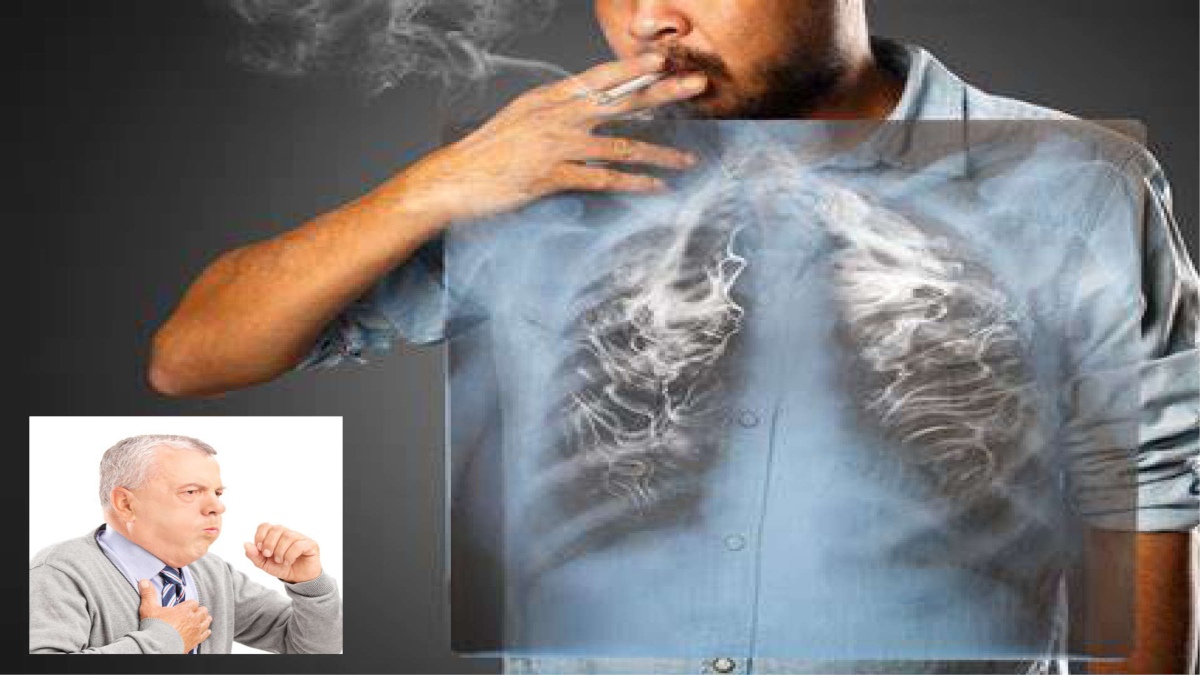
Signs Of Lung Cancer You Should Never Ignore The Daily Guardian from thedailyguardian.com Smoking is a habit that cannot be ceased easily. Among never smokers, the early signs of lung cancer are often subtle and nonspecific, such as shortness of breath that is only present with activity or fatigue. A slight cough that does not go away can indicate early stage lung cancer. As with asbestos exposure, smoking greatly increases the risk of lung cancer with radon exposure. A cough that doesn't go away or gets worse over time Signs and symptoms of lung cancer typically occur when the disease is advanced. Lung cancer that has spread to the bones may cause pain at the sites of the affected bone. Many people with lung cancer don't have symptoms until the disease is in its later stages.
Smoking cigarettes causes about 3 out of every 10 cancer deaths in the u.s.
Swelling around the eye and face after a person wakes up in the morning, swelling of the neck, arms, and torso, redness of the face and palms are gradually developing signs of lung cancer. Several studies have examined the effects of continued smoking after lung cancer diagnosis and found that it impairs healing, reduces the efficacy of cancer treatments, diminishes overall quality of life, increases risk for recurrence and a second primary cancer, and decreases survival. Some people whose lung cancer has spread to other parts of the body (metastasized) have symptoms specific to that part of the body. Shortness of breath and coughing fits are major signs of having developed lung cancer, unless you have previously diagnosed conditions like asthma, bronchitis, pollen allergies, tuberculosis, a chest infection and so on. Because there are very few nerve endings in the lungs, a tumor could grow without causing pain or discomfort. Most people who develop lung cancer have a history of smoking. But the patient likely didn't realize these were symptoms of lung cancer, so they waited to see a doctor. Signs and symptoms of lung cancer typically occur when the disease is advanced. When lung cancer symptoms are present, they are different in each person, but may include these. Smoking is a habit that cannot be ceased easily. Changes in breathing can occur if lung cancer blocks or narrows an airway, or if fluid from a lung tumor. Lung cancer that has spread to the bones may cause pain at the sites of the affected bone. Some people assume that this cough is only a result of smoking.
Lung cancer that has spread to the bones may cause pain at the sites of the affected bone. Shortness of breath and coughing fits are major signs of having developed lung cancer, unless you have previously diagnosed conditions like asthma, bronchitis, pollen allergies, tuberculosis, a chest infection and so on. Because there are very few nerve endings in the lungs, a tumor could grow without causing pain or discomfort. Anytime you cough up bloody phlegm, it should be a warning sign that something is wrong. Some people assume that this cough is only a result of smoking.
If You Won T Quit Smoking At Least Watch For These Lung Cancer Symptoms Mcleod Health from www.mcleodhealth.org Swelling around the eye and face after a person wakes up in the morning, swelling of the neck, arms, and torso, redness of the face and palms are gradually developing signs of lung cancer. Several studies have examined the effects of continued smoking after lung cancer diagnosis and found that it impairs healing, reduces the efficacy of cancer treatments, diminishes overall quality of life, increases risk for recurrence and a second primary cancer, and decreases survival. Learn the surprising signs that you could be dealing with lung cancer. Lung cancer that has spread to the bones may cause pain at the sites of the affected bone. The presence of these symptoms doesn't definitively mean you have lung cancer, though, as they can also be caused by other conditions. Some people whose lung cancer has spread to other parts of the body (metastasized) have symptoms specific to that part of the body. Shortness of breath or becoming easily winded are also possible symptoms of lung cancer. Lung cancer symptoms may include—
Smoking can also irritate the lungs and cause a short term cough.
Learn the surprising signs that you could be dealing with lung cancer. A new cough that doesn't go away coughing up blood, even a small amount An immediate medical requirement is mandatory at such conditions. Smoking can also irritate the lungs and cause a short term cough. The first symptoms of lung cancer in women are frequently signs of lung adenocarcinoma. One of the symptoms of lung cancer may be pain in the chest, shoulder, or back area. Lung cancer that has spread to the bones may cause pain at the sites of the affected bone. Radon gas is the second leading cause of lung cancer in the united states after cigarette smoking. (overall, there were about 222,500 new cases of lung. Although this doesn't necessary mean that you absolutely have lung cancer, it is a sign that something is wrong and you need to have this symptom checked out as soon as possible by a physician. Many people with lung cancer don't have symptoms until the disease is in its later stages. Anytime you cough up bloody phlegm, it should be a warning sign that something is wrong. Women are more likely than men to develop lung cancers that are unrelated to smoking.
Lung tumor, pressing on the upper cavity of the vein, can also cause headaches. If bone pain increases in the night, it can also be a symptom of lung cancer. Shortness of breath and coughing fits are major signs of having developed lung cancer, unless you have previously diagnosed conditions like asthma, bronchitis, pollen allergies, tuberculosis, a chest infection and so on. One of the symptoms of lung cancer may be pain in the chest, shoulder, or back area. 1 for this reason, and because there isn't yet a screening test available for never smokers, lung cancers are frequently diagnosed in more advanced stages of the disease.
Lung Cancer Symptoms Causes And Prevention from funender.com Among never smokers, the early signs of lung cancer are often subtle and nonspecific, such as shortness of breath that is only present with activity or fatigue. Some people whose lung cancer has spread to other parts of the body (metastasized) have symptoms specific to that part of the body. The most common symptoms of lung cancer are: As with asbestos exposure, smoking greatly increases the risk of lung cancer with radon exposure. Some people assume that this cough is only a result of smoking. Wood, a surgeon at uw medical center's thoracic surgery clinic, spoke in women's day. Because lung cancer develops in the lungs, as you'd probably expect, its most common symptoms involve the lungs. Because men are more likely to be diagnosed with squamous cell carcinoma, their earliest signs of cancer are usually related to problems with the major airways, including having a chronic cough or coughing up blood.
Most nonsmokers have no early signs of lung cancer, which means it is often not diagnosed until it has spread—but some do have symptoms in the early stages.
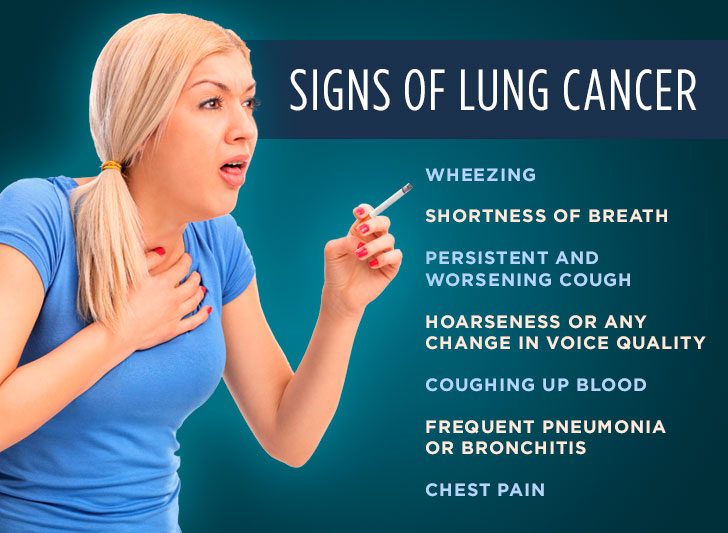
Many people with lung cancer don't have symptoms until the disease is in its later stages. The first symptoms of lung cancer in women are frequently signs of lung adenocarcinoma. Smoking can also irritate the lungs and cause a short term cough. Some people whose lung cancer has spread to other parts of the body (metastasized) have symptoms specific to that part of the body. It can occur at any time, and it can interfere with sleep at night, reports medical news today. Because there are very few nerve endings in the lungs, a tumor could grow without causing pain or discomfort. But the patient likely didn't realize these were symptoms of lung cancer, so they waited to see a doctor. Signs and symptoms of lung cancer may include: Persistent coughing, coughing up blood or excess mucus, shortness of breath, and chest pain are all common signs of lung cancer. But the toxins and chemicals from cigarette smoke can. It may not show its signs and symptoms in its early stages. A new cough that doesn't go away coughing up blood, even a small amount Shortness of breath and coughing fits are major signs of having developed lung cancer, unless you have previously diagnosed conditions like asthma, bronchitis, pollen allergies, tuberculosis, a chest infection and so on.
Unidad 1 cultura y trabajo en la historia; El libro de texto resuelto de 1 de bachilleraro bgu de matematicas con todas las respuestas y actividades resueltas. Unidad 2 el orígen de la humanidad; Unidad 2 ¿en qué ámbitos de las sociedades actuales se aprecia la influencia de las 1 civilizaciones clásicas? Libro de texto de historia 2 segundo bgu bachillerato. Casi Ãngeles «La isla de Eudamón» â€" Casi Angeles el Libro from casiangeles.com.ar Unidad 6 el judaísmo, su influencia en occidente; El libro de texto resuelto de 1 de bachilleraro bgu de matematicas con todas las respuestas y actividades resueltas. Unidad 2 descubro la estructura de la tierra; Unidad 2 el orígen de la humanidad; La guia del docente también puede ser usada por los estudiantes. Ejercicios resuelto y solucionario 1 bgu matematicas Libro de matematicas 1 de bac...
Cancer Council Australia Sunscreen Ingredients - The Cancer Council Classic Sunscreen SPF30+ | Girl.com.au / Here's how the two types of sunscreen physical (mineral) sunscreen ingredients (including the minerals titanium dioxide and zinc oxide) block and scatter the rays before they penetrate your skin. . Sunscreen tips | cancer council australia. The cancer council promotes sun safety in australia, but how do its sunscreen products stack up? Get the best deals on cancer council sunscreens. To ensure adequate protection, cancer council australia recommends all sunscreens be active ingredients: Whiteman d, neale r, aitken j, gordon l, green a, jande m, olsen c, soyer h. Get the best deals on cancer council sunscreens. Choose the ultra cooling sunscreen to cancer council zinc sticks offer a great amount of added sun protection, and there's even a range of spf face moisturisers, body lotions. They also suggest contacting a dermatologist who will be able to asse...
How To Make Vintage Cards : Playing Card Flower Bouquets | Playing card crafts, Diy ... - If you have a high quality collection and aren't in need of immediate cash, it might be worth considering! . Flower illustration wedding photographer business card. Vintage cards are known for their beautiful color artwork and photography although there were still several black and white issues during this period. Monadnock, great northern theater & hotel, marquette building, the fair. If you want a firm stand, you can stick cardboard on the inners. Create a new illustrator file. You can see in the photo below that i used small bulldog clips to hold all of the pieces in place. First you cut out all your card pieces with the template below. Red and black make a perfect color combination. Here's another example, just a card of simple black buttons with a simple black frame. I found a fantastic template at about.com here. ...



Komentar
Posting Komentar